
Wine remains one of the UK’s most popular alcoholic drinks, with 67% of adults enjoying it, according to figures from YouGov.
However, from choosing the correct glass to deciding whether a bottle needs to be decanted, the supposed rules around wine can make pouring a glass feel needlessly complicated.
Michele Longari, sommelier and purchasing director at Hay Wines, has separated fact from fiction by addressing five of the most common wine misconceptions.
Low-sulphite wine will prevent a hangover
Sulphites are found in almost every wine because they can occur naturally during fermentation as well as being added during production.
This means that even bottles labelled as containing “no added sulphites” may still contain a small amount.
Michele said: “Sulphites are sulphur-based compounds that can be produced naturally during alcoholic fermentation or deliberately added during production.
“Sulphur dioxide plays two important roles in the winemaking process. It helps protect wine from oxidation, preserving its freshness, colour and aroma, and helps control unwanted yeasts and bacteria that could cause the wine to spoil.”
Although sulphites are frequently blamed for headaches and hangovers, they are not generally considered the main cause.
The amount of alcohol consumed, the speed at which it is drunk, sleep and whether someone has eaten can all influence how they feel the following day.
Some people can be sensitive to sulphites, however, with this sensitivity more common among those with asthma.
Every good bottle needs to be decanted
Decanting can improve certain wines, but an expensive or older bottle does not automatically need to be served in a decanter.
Michele said: “A decanter traditionally has two main jobs: separating an older wine from its sediment and giving a young, tightly structured wine more exposure to air.
“Older wines are more likely to develop sediment, while younger, structured wines can benefit from aeration, which can help the wine open up and release its aromas.”
For younger wines that do not require decanting, allowing the wine to sit in a reasonably large glass may provide enough exposure to air.
Red wine belongs with meat and white wine with fish
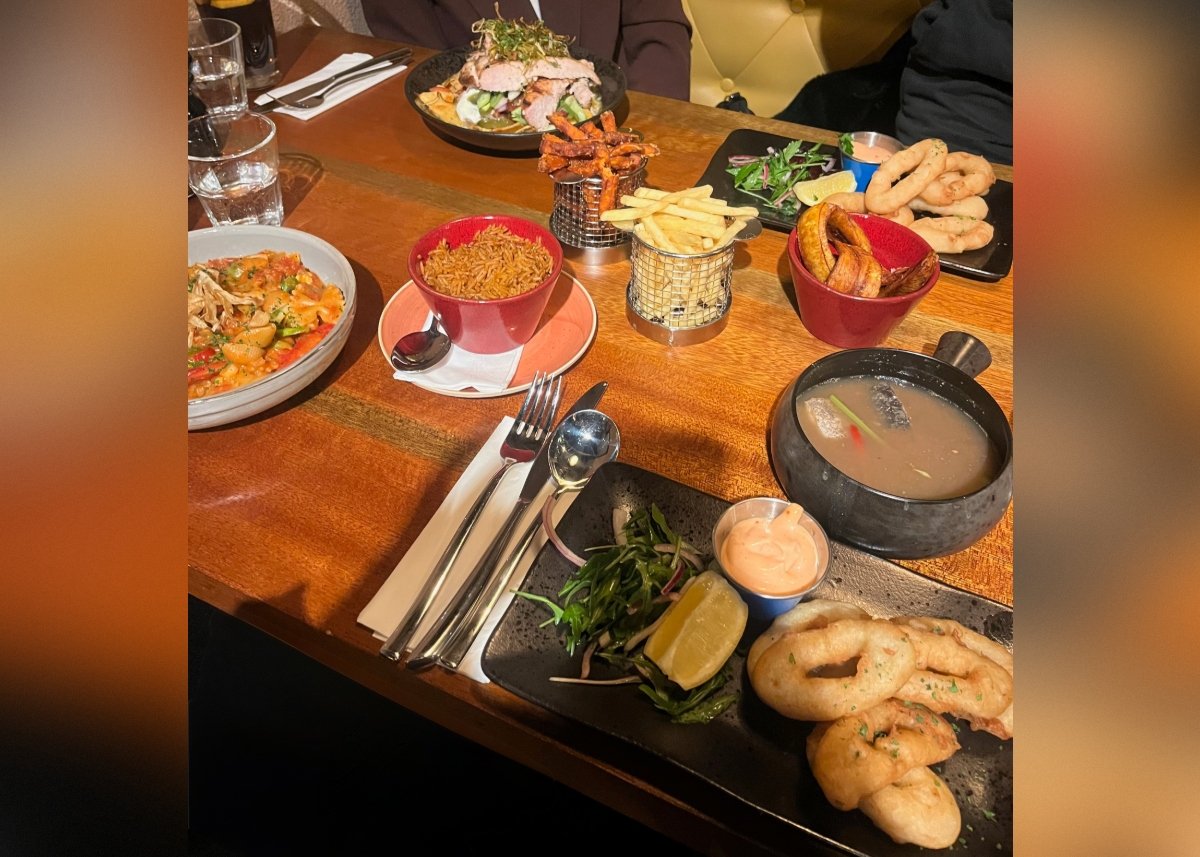
Pairing red wine with meat and white wine with fish remains a familiar rule, particularly in restaurants, but it does not apply to every dish.
Lighter red wines with low tannins and fresh acidity can complement tuna, salmon, monkfish and octopus, as well as grilled prawns and tomato-based seafood dishes.
More delicate fish dishes with subtle or citrus-led flavours may still work better with a crisp white wine.
Michele said: “When pairing food with wine, try to match the intensity and body of the wine with the flavours of the dish.
“Lighter, fresher styles work well with more subtle dishes, such as grilled white fish, light tapas and green summer salads.”
All wine improves with age
While some bottles develop greater complexity over time, most wines are produced to be enjoyed relatively young.
As wine ages, its tannins can soften and its fresh fruit flavours may become less prominent. Other flavours, including dried figs, orange marmalade and prunes, can then begin to develop.
Michele said: “This is all well and good if the wine is designed to age, but leaving other wines to mature for too long can negatively affect their flavour and character.”
Structured red wines with high tannin levels and good acidity are generally better suited to ageing. Some concentrated white wines can also develop well over time, although these bottles represent a minority of the market.
For most wines, saving a bottle for years will not necessarily make it taste better.
Every wine needs a different type of glass
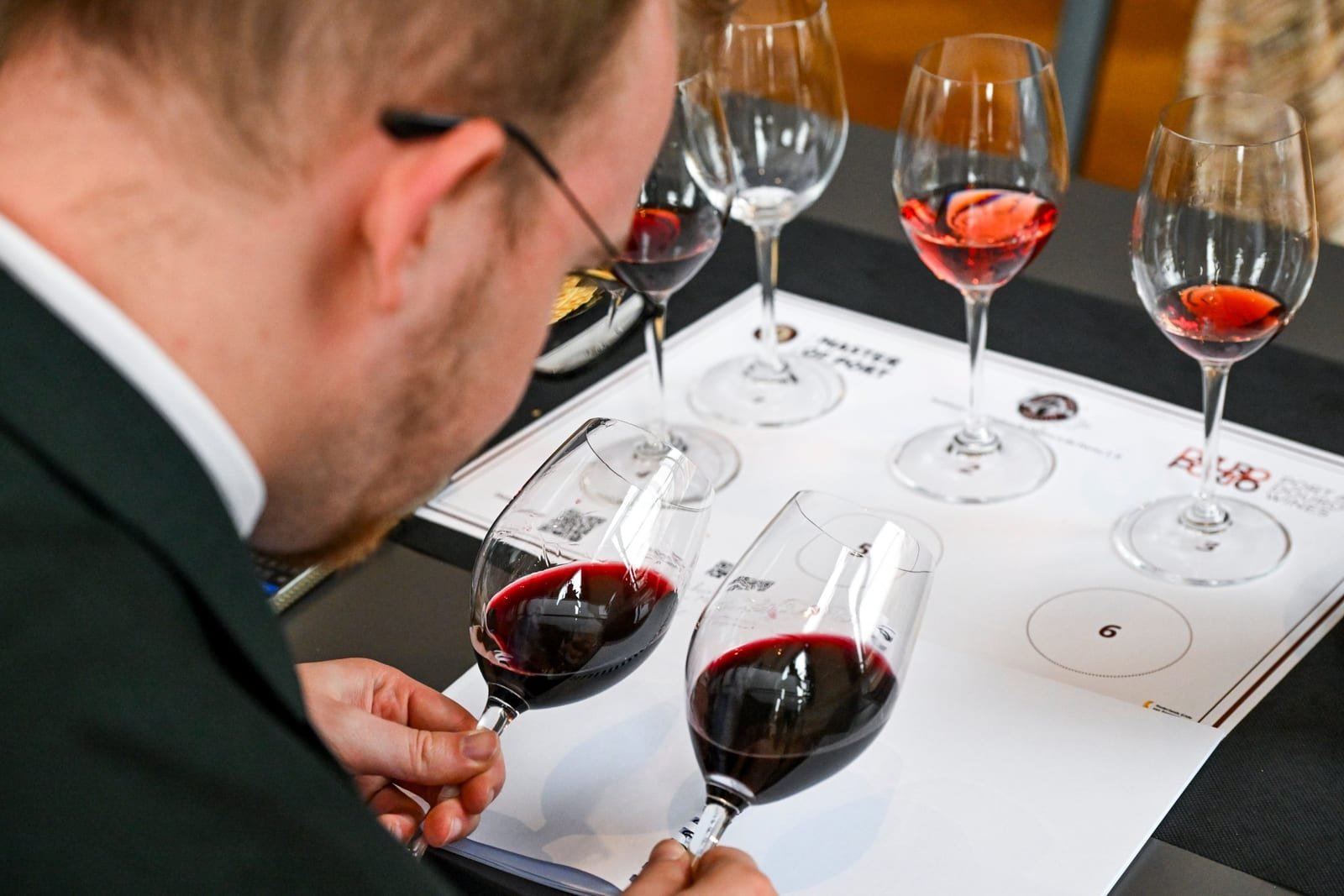
The shape of a wine glass can affect how its aromas are concentrated and presented, but drinkers do not need a cupboard filled with specialist glasses.
Michele said: “The right glass can have a surprisingly significant impact on how a wine smells and tastes because its shape affects how aromas are collected and delivered.
“That does not mean you need dozens of specialist glasses, but choosing a well-shaped wine glass with enough room for the wine to open up can make a real difference.”
You Might Also Like:



A versatile, good-quality glass with sufficient room for the wine to breathe can therefore work well across a wide range of styles.
Michele said: “With so many varieties of wine available, all differing in sulphites, alcohol content and fermentation processes, it’s easy to see why so many myths and misconceptions have developed.
“The world of wine can be complex, so knowing what’s fact and what’s fiction isn’t always straightforward.”